- Open Hours: Mon-Fri 8:00 am-6:00 pm
- Email: info@garbageclinic.com
- Address: Alpha-1, Greater Noida (UP) 201310
Social Impact
Our Social Impact Initiatives
Garbage Clinic & Infratech Pvt. Ltd. (GCIPL) is committed to creating meaningful social impact through structured awareness and IEC programs. Our initiatives educate citizens on responsible waste management while empowering women as leaders and change-makers in building cleaner, healthier, and more sustainable communities.
Project Initiation
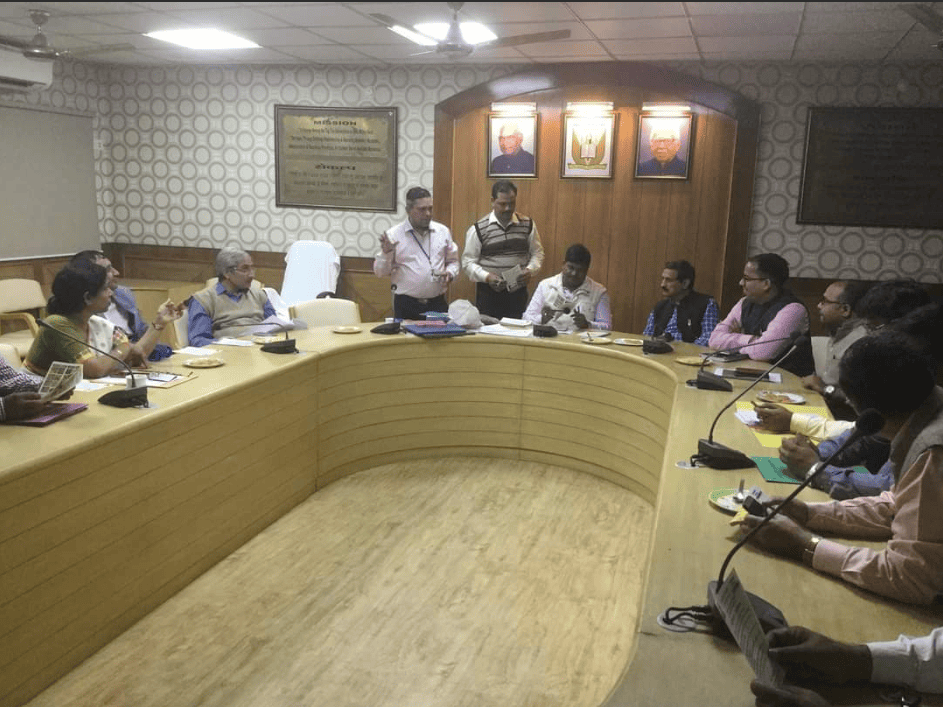
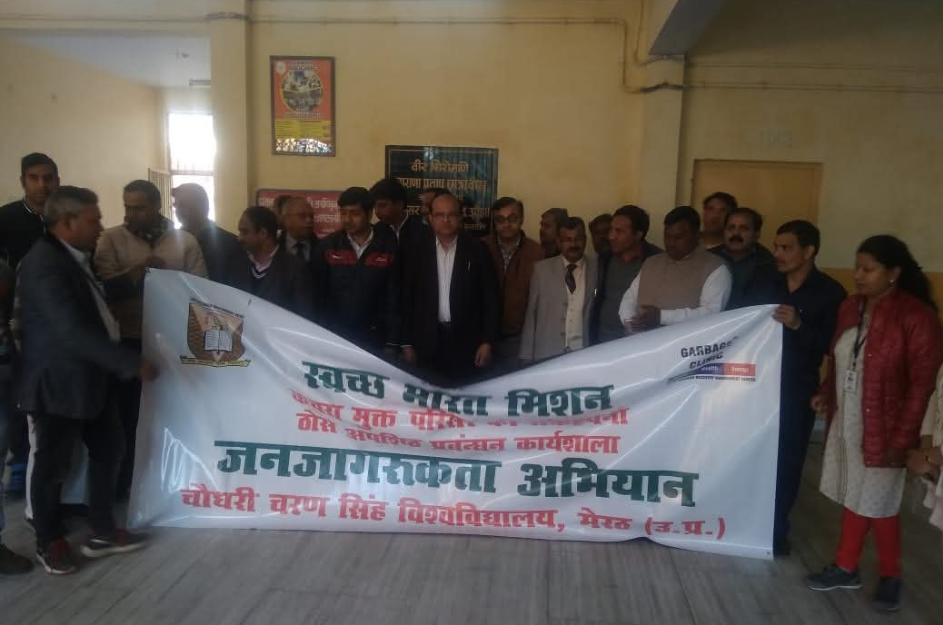
GCIPL initiates IEC and awareness programs by collaborating with municipal authorities, stakeholders, and community leaders to establish a strong foundation for waste management awareness.
Women participation is encouraged from the beginning, empowering them as key stakeholders in cleanliness and sustainability initiatives.

Strategic Planning
Structured planning ensures effective awareness execution.
Community Inclusion
Women and citizens actively involved from the start.
Benefits of Service
- Clear roadmap for awareness programs
- Early citizen engagement
- Women empowerment at grassroots level
Media Coverage
GCIPL uses print, digital, and electronic media to amplify messages related to waste segregation, recycling, and cleanliness.
Media stories highlight women-led initiatives and inspire mass participation in responsible waste practices.
Wide Reach
Awareness messages reach large audiences.
Positive Impact
Encourages citizen responsibility and trust.
Benefits of Service
- Mass awareness through multiple platforms
- Promotion of women-led cleanliness drives
- Increased public participation
Door to Door Awareness
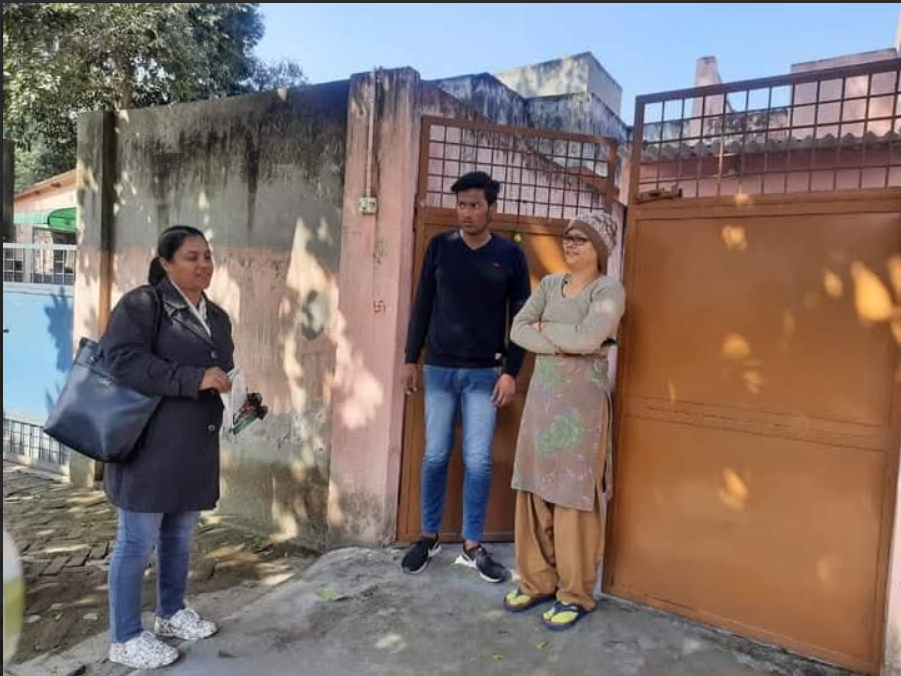
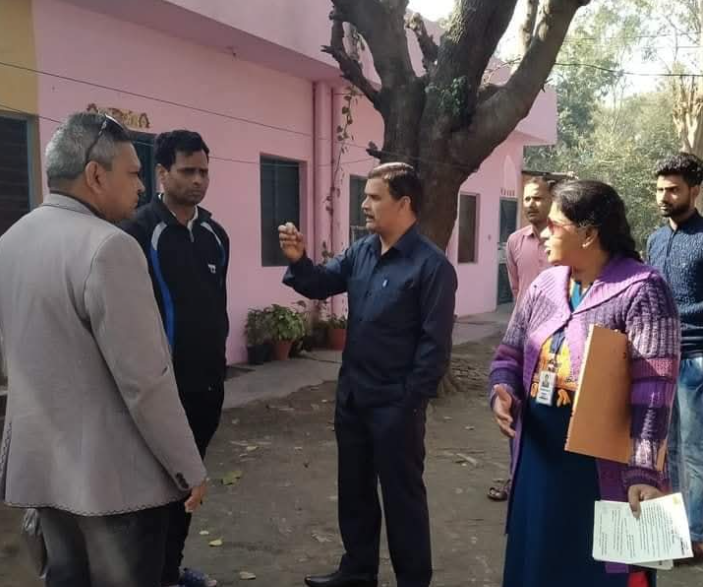
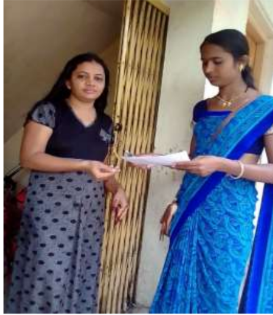
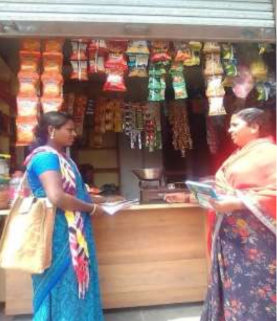
GCIPL conducts personalized door-to-door awareness campaigns educating households on waste segregation and responsible disposal.
Women volunteers act as Swachhata Ambassadors, driving change at the household level.
Household Education
Clear guidance on waste segregation.
Women Leadership
Empowering women as cleanliness leaders.
Benefits of Service
- Improved segregation at source
- Behavioral change among citizens
- Women empowerment in communities
Interview and Broadcast
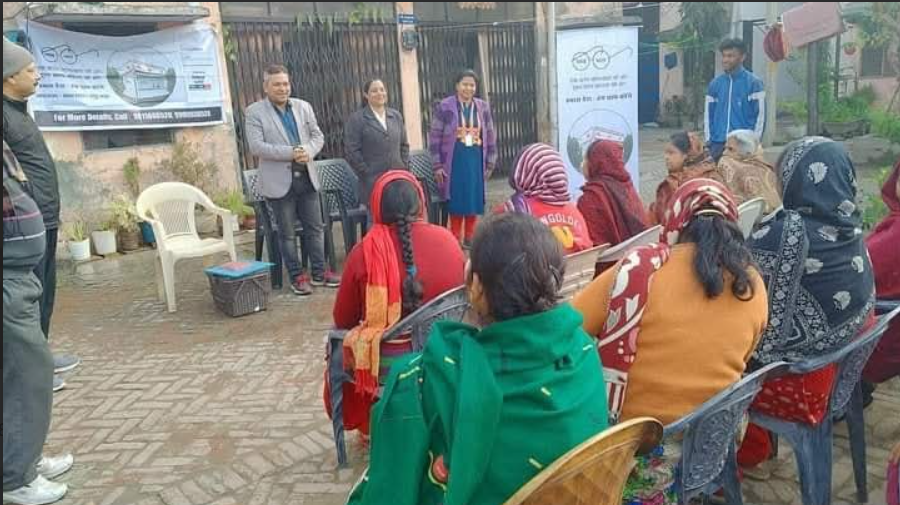
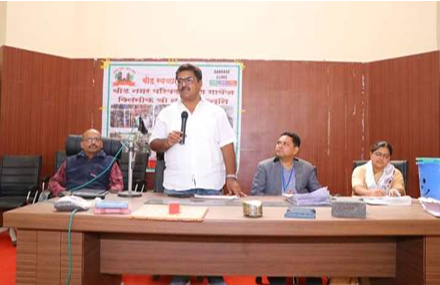
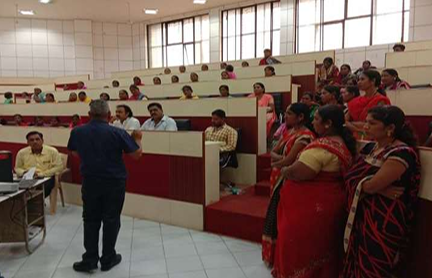
GCIPL participates in TV, radio, and digital interviews to spread awareness about sustainable waste management practices.
Broadcasts encourage citizen participation and highlight successful women-led initiatives.
Public Outreach
Direct communication with citizens.
Mass Messaging
Clear and consistent waste awareness.
Benefits of Service
- Large-scale public engagement
- Improved awareness through media
- Positive behavioral influence
Workshops
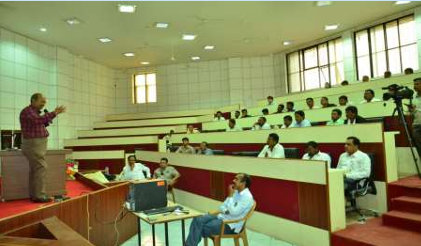
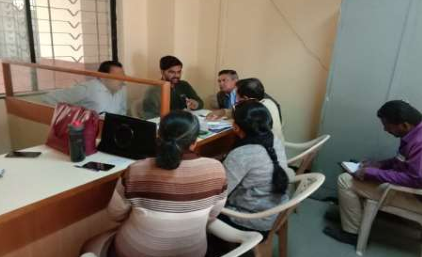
GCIPL conducts interactive workshops for citizens, students, municipal staff, and women self-help groups to promote scientific waste management practices.
These workshops focus on practical demonstrations of waste segregation, composting, and recycling techniques.
Skill Development
Hands-on training for effective waste handling.
Women Participation
Empowering women through knowledge and leadership.
Benefits of Service
- Improved waste segregation skills
- Capacity building of communities
- Enhanced women empowerment
Road Shows
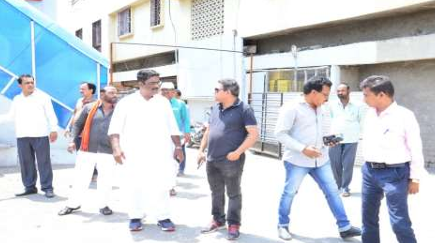
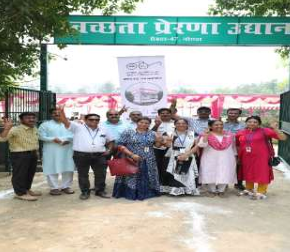
GCIPL organizes awareness road shows to communicate waste management messages through mobile displays, street plays, and live demonstrations.
These road shows attract public attention and encourage active citizen participation.
Public Interaction
Direct engagement with citizens in open spaces.
Creative Awareness
Engaging formats for better message retention.
Benefits of Service
- High public visibility
- Improved citizen participation
- Strong waste awareness impact
Mega Events
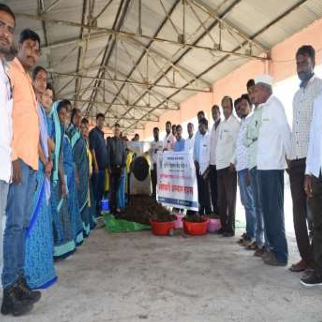
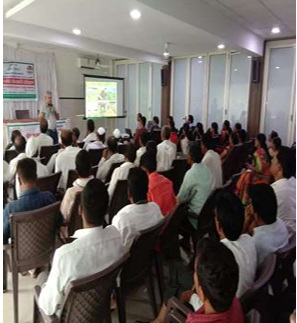
GCIPL organizes large-scale mega events to promote cleanliness, waste segregation, and recycling awareness among citizens.
These events encourage mass participation and highlight women-led cleanliness initiatives.
Mass Participation
Large public involvement for awareness drives.
Community Motivation
Inspiring citizens to adopt clean habits.
Benefits of Service
- Wide-scale awareness generation
- Strong community bonding
- Promotion of women leadership
Exhibitions
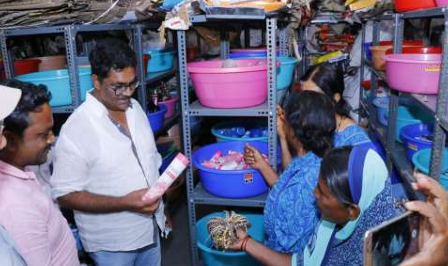
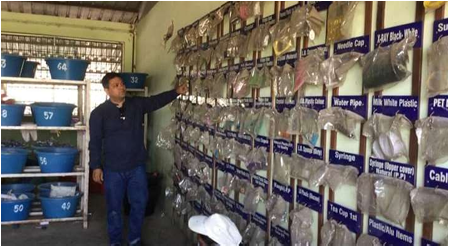
GCIPL organizes exhibitions showcasing innovative waste management solutions, recycling models, and composting methods.
These exhibitions educate citizens and encourage sustainable practices through visual learning.
Visual Learning
Easy understanding through live models.
Innovation Display
Showcasing best waste practices.
Benefits of Service
- Improved public understanding
- Encouragement of eco-friendly habits
- Promotion of sustainable solutions
Webinar / Seminar
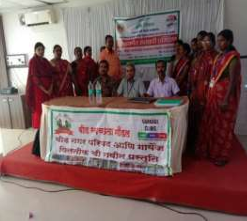
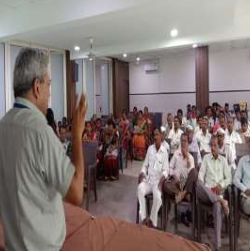
GCIPL conducts webinars and seminars to educate citizens, officials, and students on modern waste management practices.
Women experts and community leaders actively participate as speakers and trainers.
Expert Knowledge
Learning from industry professionals.
Women Speakers
Encouraging leadership and representation.
Benefits of Service
- Knowledge sharing at scale
- Capacity building
- Inclusive participation
Public Engagement
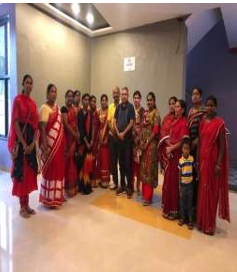
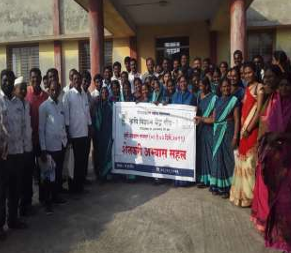
GCIPL promotes public engagement through interactive campaigns, cleanliness drives, and community discussions.
These activities encourage citizens and women groups to take ownership of cleanliness initiatives.
Community Ownership
Citizens actively contribute to cleanliness.
Women Involvement
Encouraging leadership roles for women.
Benefits of Service
- Stronger community bonding
- Sustained cleanliness practices
- Inclusive civic participation
Swachhata Sarvekshan
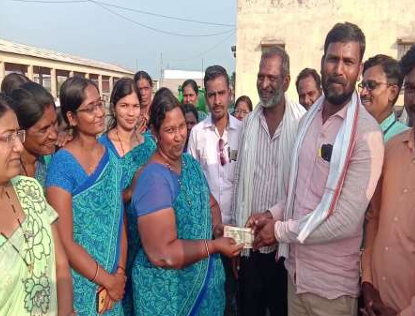
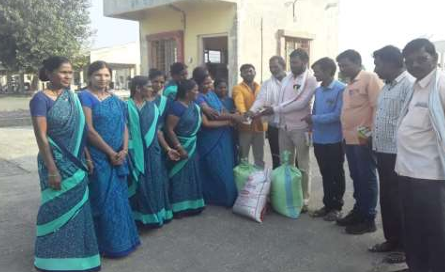
GCIPL supports Swachhata Sarvekshan activities by conducting awareness campaigns aligned with national cleanliness benchmarks.
Women volunteers and community leaders play a key role in mobilizing citizens.
Survey Support
Assisting cities in cleanliness assessment.
Citizen Awareness
Educating people about ranking criteria.
Benefits of Service
- Improved Swachhata rankings
- Higher citizen participation
- Women-led awareness initiatives
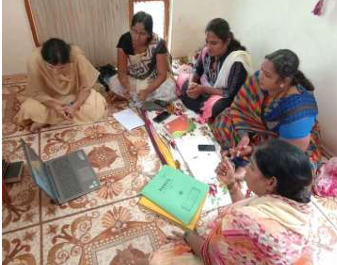
Innovations & Best Practices
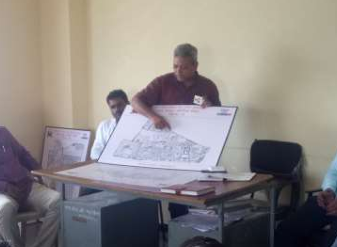
GCIPL promotes innovative waste management solutions and shares best practices to improve sustainability.
Women-led innovations and community-driven models are highlighted to inspire replication.
Creative Solutions
Adopting innovative waste techniques.
Knowledge Sharing
Replicating proven success models.
Benefits of Service
- Improved sustainability outcomes
- Encouragement of innovation
- Scalable best practices