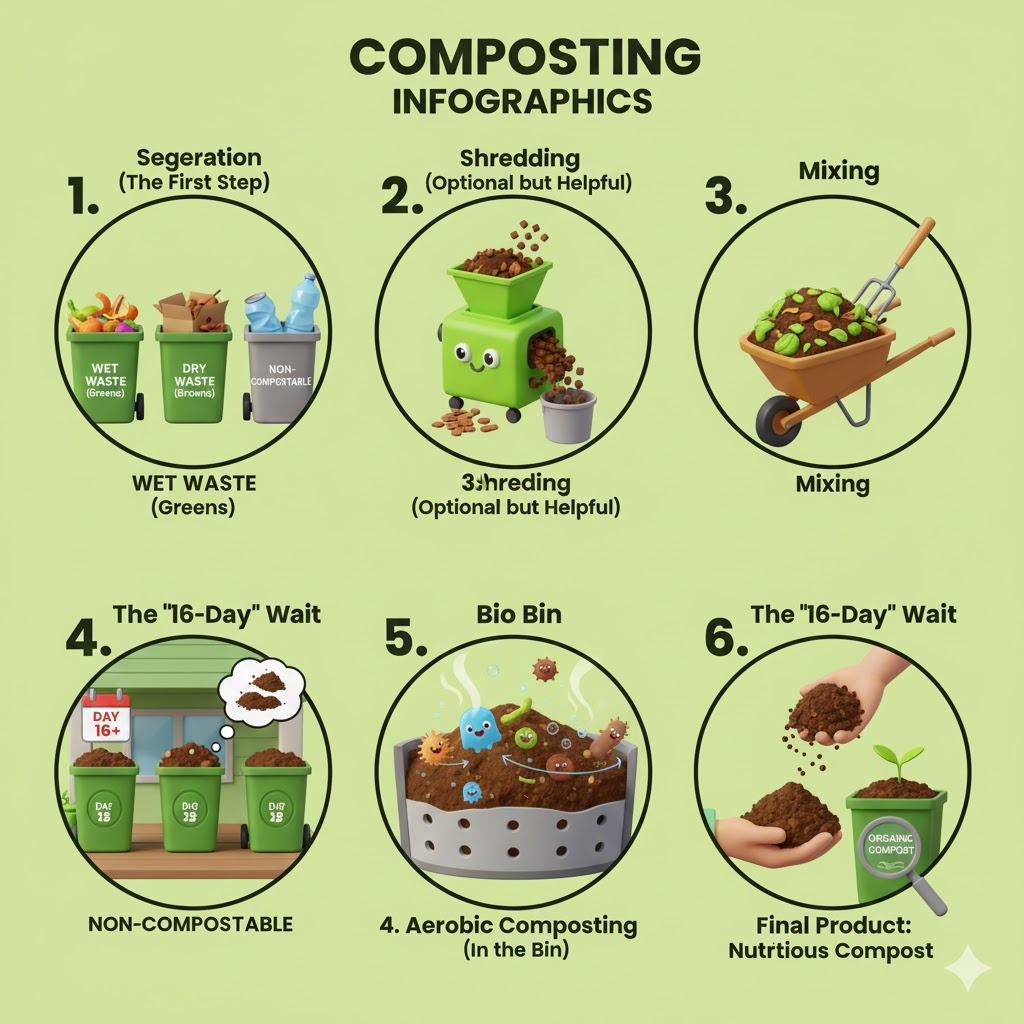
1. Segregation
Separate wet (greens/nitrogen) from dry (browns/carbon). Remove plastics and glass.

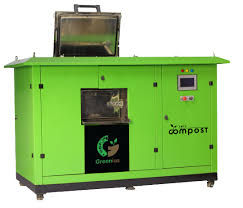
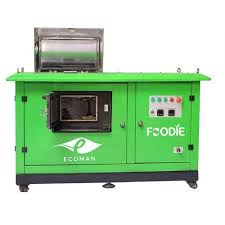
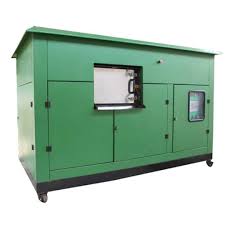
GCIPL’s semi-automatic aerobic composting system is a proven, eco-friendly solution designed for efficient decentralized organic waste processing. Built for reliability and scalability, the system enables institutions, municipalities, and bulk waste generators to process organic waste on-site while reducing landfill dependency.
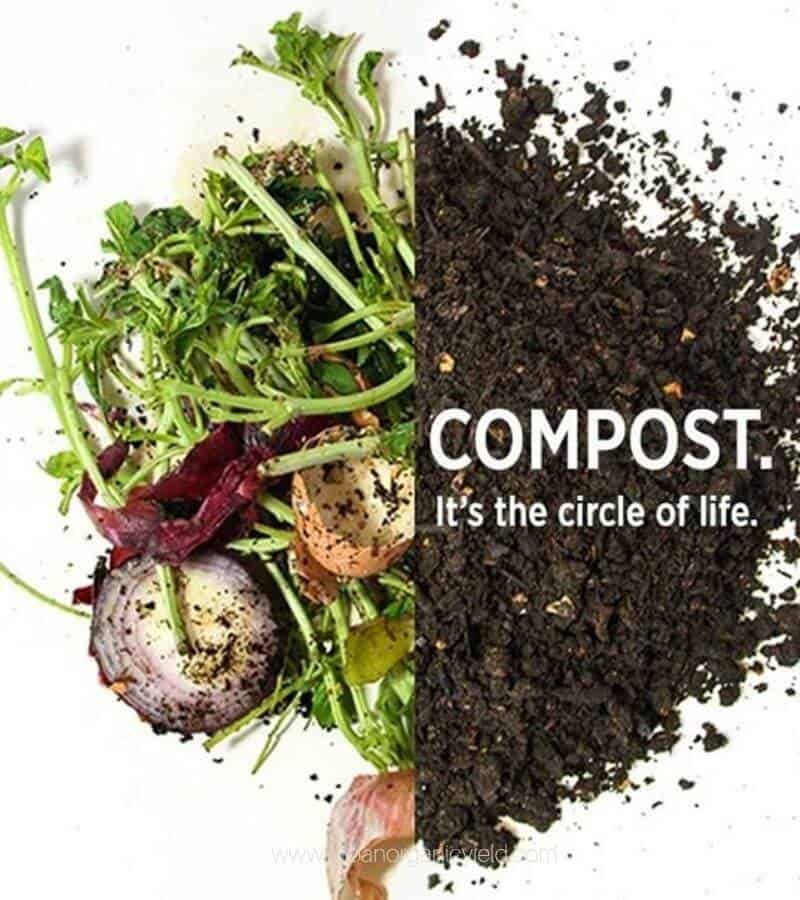
Composting is a natural biological process where organic waste such as food scraps, garden waste, and biodegradable material is converted into nutrient-rich compost through controlled aerobic decomposition.
Composting significantly reduces the volume of waste sent to landfills, minimizes methane emissions, improves soil health, and supports sustainable waste management. It plays a key role in achieving zero-waste and circular economy goals.
Turning 100kg Waste into 25kg Nutritious Compost
Separate wet (greens/nitrogen) from dry (browns/carbon). Remove plastics and glass.
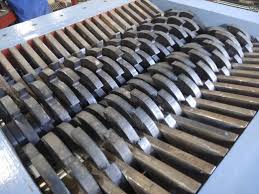
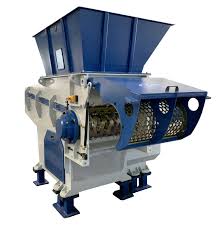
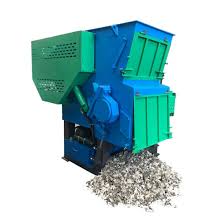
Waste is shredded into smaller pieces to accelerate microbial activity.
3 parts dry waste mixed with 1 part wet waste for ideal compost balance.
Placed in bio-bins with air circulation. Microbes digest waste without foul smell.
By day 16 compost matures, by day 25 it becomes fully usable.
Dark, earthy-smelling organic manure ready for soil enrichment.

Organic Bio Digesters are scientifically designed aerobic systems that process organic waste using beneficial microorganisms. These digesters accelerate the natural decomposition process and convert biodegradable waste into stable, nutrient-rich compost without foul odor.
Organic Bio Digesters reduce dependency on landfills, eliminate methane generation, prevent odor and leachate issues, and enable on-site waste treatment. They support decentralized waste management and help institutions and cities achieve sustainability and compliance with Solid Waste Management Rules.
Garbage Clinic designs, installs, and operates Organic Bio Digesters for municipalities, bulk waste generators, institutions, and housing societies. Our systems use optimized microbial cultures, proper aeration, and process control to ensure efficient waste digestion, faster stabilization, and high-quality compost output.
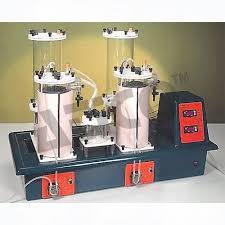
Aerobic Digesters are specially designed bio-bins that accomplish the digestion process in the presence of micro-ventria (microorganisms).
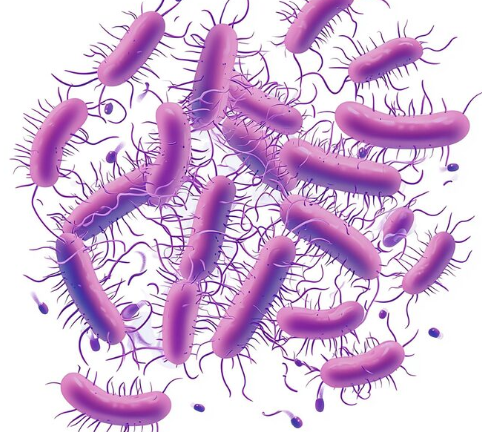
These bacteria break down cellulose present in food waste using enzymes, initiating the composting.
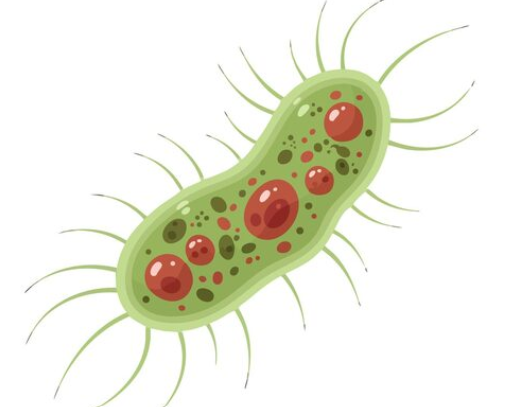
Responsible for breaking down lignin and complex organic compounds, speeding up decomposition.
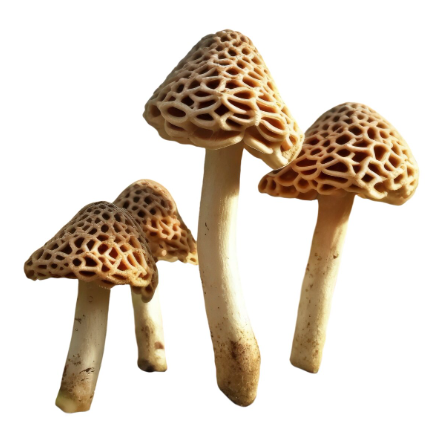
Helps in breaking tough organic matter such as cellulose, starch, proteins, and lignin.
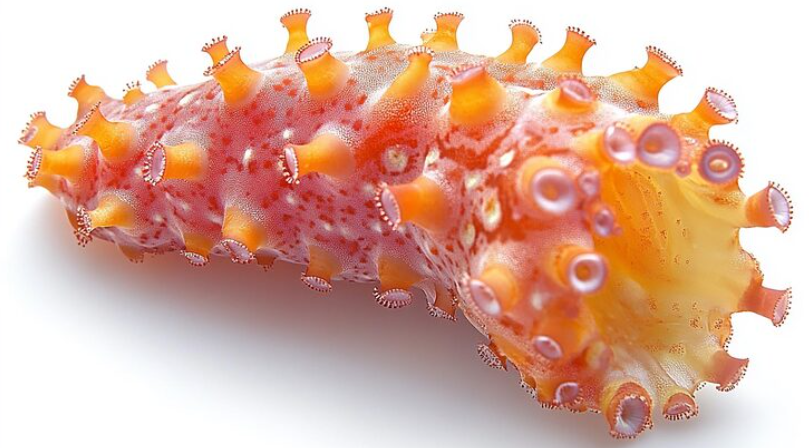
These microorganisms give compost its pleasant earthy smell and help complete the composting process.
GC Composter is designed to manage organic waste in the most sustainable and efficient way. It converts waste into nutritious compost instead of burnt carbon, reduces carbon footprint, and requires minimal power, low maintenance, and simple operation, making it ideal for long-term use.

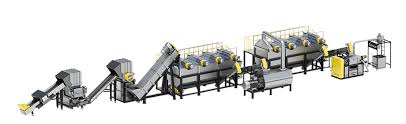
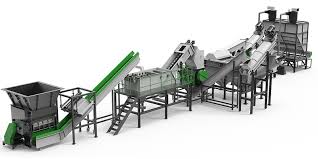
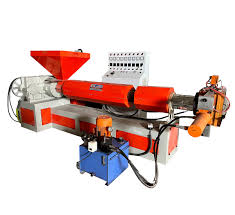
Advanced organic waste management & recycling machinery